Learn About SellerVista
From Data to Decisions: Applying Ecommerce Analytics to Optimize Your Multi-Channel Framework
Ecommerce analytics function as a fundamental pillar for organizations looking to optimize their multi-channel strategies. By turning raw data into practical findings, businesses can improve customer interactions and streamline marketing strategies. Essential metrics expose patterns in customer activity, supporting well-informed business decisions. However, the task of successfully utilizing this data can be challenging. Grasping the complexities of these analytics can expose considerable opportunities for businesses operating within a competitive environment. What steps must be taken to harness this potential?
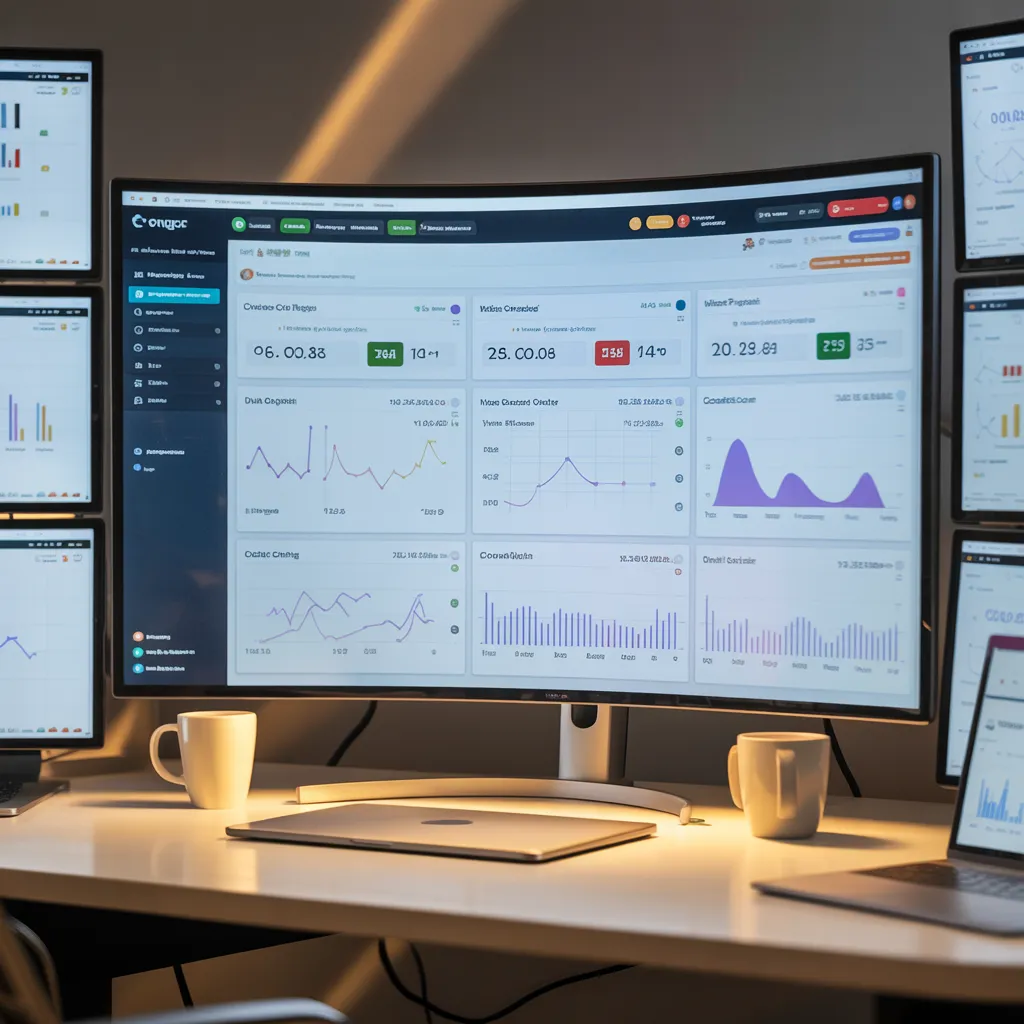
Exploring Ecommerce Analytics: Why It Is Important
In an increasingly competitive digital landscape, comprehending ecommerce analytics is vital for companies aiming to improve their results. Ecommerce analytics covers the collection and interpretation of data associated with online purchasing behaviors, sales developments, and customer activities across diverse platforms. By leveraging these insights, businesses can identify what drives customer engagement and conversion rates.
Additionally, ecommerce analytics empowers organizations to assess the impact of their marketing efforts, inventory oversight, and overall browsing experience. This insight enables organizations to form data-driven decisions, customize their offerings, and enhance customer satisfaction. As customers continue to engage through multiple channels, grasping the nuances of their behaviors is vital for continued growth. In the end, a solid command of ecommerce analytics arms businesses with the resources needed to navigate market changes and improve their competitive edge in a constantly evolving landscape.
Essential Ecommerce Data Metrics for Cross-Channel Performance
What key metrics are necessary for managing the intricacies of a multi-channel ecommerce framework? Essential performance indicators (KPIs) including conversion rate, customer acquisition cost, and average order value function as core metrics. Conversion rate gauges the share of visitors who successfully make a purchase, emphasizing the impact of marketing campaigns across channels. Customer acquisition cost represents the expenditure required to attract new customers, allowing businesses to assess their marketing strategies' effectiveness. Average order value delivers understanding of consumer spending habits, shaping pricing and promotional approaches.
In addition, measures including return on advertising spend (ROAS) and customer lifetime value (CLV) deliver deeper insights into sustained customer engagement and overall profitability. Evaluating these metrics empowers ecommerce organizations to optimize resource allocation, identify successful channels, and enhance overall performance. By prioritizing these key metrics, companies can make informed decisions that drive multi-channel success.
How to Gather Data Across Multiple Platforms
Comprehensive data acquisition across diverse platforms is essential for enhancing a multichannel ecommerce approach. Companies can utilize various tools to gather insights from various sources, including social media, websites, and email campaigns. Leveraging analytics platforms like Google Analytics allows monitoring of user interactions and conversion rates across channels.
Implementing Customer Relationship Management (CRM) systems helps consolidate customer data, providing a thorough view of user patterns and interests. Additionally, utilizing APIs supports smooth data exchange among systems, ensuring real-time updates and insights.
Surveys and feedback forms can also be valuable for collecting qualitative data directly from customers. By utilizing these approaches, businesses can build a comprehensive data ecosystem that strengthens decision-making processes. This extensive approach to data collection not only improves understanding of customer journeys but also lays the groundwork for future personalized experiences.
Applying Customer Behavior Data to Tailor Shopping Experiences
Within the realm of ecommerce, harnessing consumer behavior analytics can significantly improve the overall buying experience. By introducing personalized product suggestions, businesses can direct customers to products that match their interests. Furthermore, flexible pricing approaches enable real-time modifications that mirror personal purchasing behavior, maximizing both engagement and sales.
Personalized Product Suggestions
Personalized product recommendations greatly enhance the online shopping experience by leveraging consumer behavioral insights. By evaluating prior transactions, navigation patterns, and product ratings, online retail platforms can develop customized proposals that appeal to personal tastes. This precise method not only enhances consumer fulfillment but also strengthens brand commitment, as shoppers feel understood and valued. Furthermore, employing advanced algorithms empowers retailers to enhance their proposals progressively, responding to evolving shopper habits and tastes. As a result, customized proposals generate increased conversion rates and typical transaction amounts, consequently leading to increased revenue. By prioritizing personalized experiences, merchants can successfully distinguish themselves in a crowded marketplace. This method illustrates how behavioral intelligence can revolutionize the purchasing experience into a highly interactive and meaningful encounter.
Flexible Pricing Strategies
Dynamic pricing models transform how online retailers adapt to customer behavior, facilitating real-time adjustments based on demand, competition, and individual purchasing patterns. By analyzing customer data, businesses can identify trends and preferences, customizing pricing to improve the buying journey. For instance, prices may shift depending on the time of purchase, seasonal factors, or customer profiles, effectively enticing potential buyers. This approach not only increases profits but also elevates consumer fulfillment by offering personalized deals. Additionally, integrating dynamic pricing with analytics fosters a competitive edge, as businesses can rapidly respond to industry shifts. Ultimately, leveraging customer behavior data for pricing decisions reshapes standard transactions into individualized engagements, fueling commitment and enduring development in a omnichannel landscape.
How to Use Data to Improve Marketing Strategies
Effective marketing strategies rely on an in-depth knowledge of consumer audience research and marketing performance indicators. By leveraging data insights, organizations can refine their marketing strategies to connect with targeted consumer groups. This strategic method not only strengthens consumer interaction but also maximizes overall marketing impact.
Target Audience Analysis
Recognizing the intended audience is vital for improving marketing approaches in a multi-channel ecommerce environment. By leveraging analytical data, organizations can uncover demographic patterns, consumer preferences, and purchasing behaviors. Dividing the target audience based on these data-driven insights facilitates personalized marketing initiatives that connect more powerfully. For illustration, examining user interactions across various platforms can uncover which platforms yield the highest engagement, informing resource planning. Furthermore, applying psychographic understanding enables brands to craft messages that align with their audience's values and lifestyle. Regular assessment of audience data confirms that marketing strategies continue to be relevant and dynamic to changing consumer trends. Fundamentally, a comprehensive audience analysis improves the accuracy of marketing initiatives, delivering stronger customer acquisition and retention performance.
Campaign Measurement Statistics
Examining campaign performance metrics offers valuable insights that can improve promotional approaches in a multi-channel ecommerce landscape. By measuring key indicators such as conversion rates, advertising return metrics (ROAS), and audience interaction, businesses can identify which platforms yield the highest ROI. Reviewing data points including click engagement rates (CTR) and typical purchase amount (AOV) allows advertisers comprehend consumer behavior and preferences. Furthermore, dividing information by audience segment or platform facilitates targeted adjustments in campaigns, ensuring resources are allocated effectively. Routinely assessing these performance measures encourages a framework for evidence-based strategies, enabling campaign managers to refine their strategies in real-time. In conclusion, utilizing relevant article marketing analytics is fundamental for maximizing advertising effectiveness and driving consistent expansion in a dynamic digital marketplace.
Crafting a Seamless Client Journey Using Insights
A thoughtfully developed customer journey can greatly enhance a business's ability to reach and hold onto customers across multiple channels. By harnessing ecommerce analytics, businesses can gather meaningful intelligence into customer actions and interests. This insight allows for the discovery of key touchpoints where customers interact with the organization, enabling a more personalized experience.
Understanding the customer journey entails analyzing data from various sources, such as website interactions, social platform activity, and email communications. This data can help businesses optimize content and tailor communications to specific requirements, ensuring a cohesive experience. Additionally, gathering customer input and pain points provides opportunities for continuous improvement.
Fundamentally, a cohesive customer journey not only fosters loyalty but also boosts conversion rates. By utilizing analytics efficiently, brands can establish a well-rounded approach that connects with customers, inspiring them to participate across multiple platforms while solidifying their connection to the brand.
Ecommerce Analytics Case Studies From Industry-Leading Brands
Progress in ecommerce analytics is often showcased through the significant evolution of prominent brands. Brands such as Amazon and Nike exemplify how data-focused methods can improve customer engagement and boost sales. Amazon leverages sophisticated algorithms to evaluate purchasing patterns, enabling tailored recommendations that greatly boost overall conversion rates.
Nike, alternatively utilizes data analytics to improve its omnichannel operations. Through the combination of digital and physical data, Nike has improved inventory management and personalized marketing campaigns, resulting in higher customer engagement and improved revenue.
Comparably, the beauty retail giant Sephora employs data analytics to improve its client experience through strategic promotions and loyalty rewards, generating stronger retention outcomes. These notable cases illustrate the substantial impact that ecommerce analytics provides, equipping brands to reach data-driven decisions and enhance their approaches efficiently. As the industry continues to evolve, the capacity to analyze data will continue to be a decisive element for success in the competitive ecommerce arena.
Questions We Often Hear
How Often Should I Review My Ecommerce Analytics Data?
Periodically assessing ecommerce analytics data every week allows businesses to detect trends, improve strategies, and reach educated conclusions. Monthly thorough reviews continue to deepen understanding and adaptation to market dynamics.
What Are the Best Tools for Measuring Multi-Channel Performance?
Google Analytics, HubSpot, and SEMrush are exceptional tools for tracking performance across multiple channels. These tools offer extensive data insights, empowering marketers to examine data from multiple platforms, improve campaign strategies, and enhance overall marketing effectiveness for better decision-making.
Can Analytics Be Integrated With My Existing CRM System?
Yes, integrating analytics with an existing CRM system is possible. Numerous CRM platforms provide built-in capabilities or compatible plugins that enable data synchronization, enabling businesses to leverage insights for improved customer engagement and decision-making.
How Can I Guarantee Data Privacy in My Analytics Strategy?
To ensure data confidentiality in analytics, organizations should establish robust encryption, carry out periodic audits, and follow guidelines like privacy frameworks. Educating staff on information handling procedures further safeguards private information while upholding customer trust.
What Common Mistakes Should I Avoid With Ecommerce Analytics?
Typical missteps in digital commerce analytics include disregarding data reliability, neglecting to define clear targets, ignoring audience segmentation, ignoring mobile metrics, and not regularly reviewing insights. Such mistakes can hinder effective decision-making and strategy development.